Carpenter ants hollow out damp or damaged wood rather than eating it, which means their presence often signals a moisture problem worth investigating too. Species identification happens on the first visit, since the right bait for odorous house ants isn't the same formulation that works on pavement ants or fire ants.
We trace visible trails back toward the nest and identify the species before recommending bait or barrier treatment.
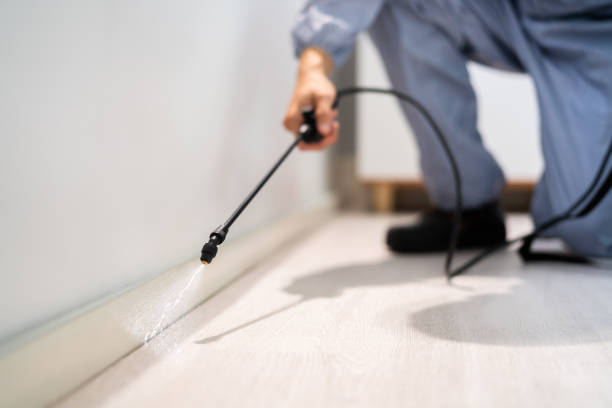
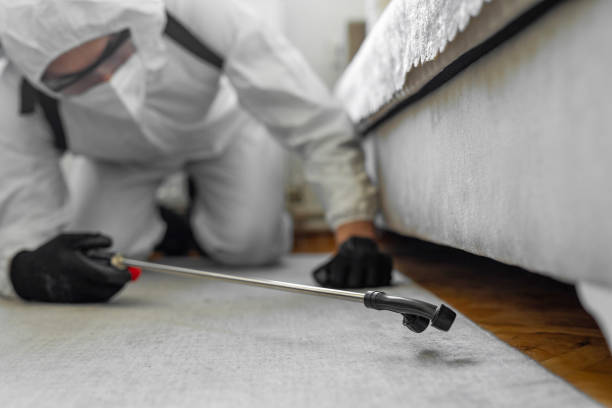

Our Ant Control crew is trained on species-specific colony behavior, not just surface spraying.
We prioritize fire ant mound calls given the sting risk to kids and pets.
Pricing is quoted flat after inspection, covering both interior bait placement and exterior perimeter treatment.
Our toolkit includes species-specific bait formulations, since carpenter ants and odorous house ants respond to different attractants.
Carpenter ants excavate damp or damaged wood for nesting, so treatment includes moisture-source identification alongside colony elimination.
We use non-repellent bait specifically because a startled odorous house ant colony can split and multiply the problem.
Pavement ants nest under slabs, walkways, and foundations, so exterior perimeter treatment targets those specific access points.
Fire ant mounds get direct mound treatment plus a broader yard bait application to catch satellite colonies nearby.
Brooks restaurants and retail spaces get scheduled bait monitoring to prevent recurring trails near food storage areas.
We reapply perimeter barrier on a recurring schedule to keep new ant activity from re-establishing.

Call +1-866-315-0243 and describe the trail location — kitchen counter, foundation, or yard mound — for the right Brooks dispatch.
A technician arrives with species-specific bait and non-repellent barrier product ready for Brooks ant calls.
Inspection includes checking for carpenter ant frass and moisture issues alongside standard trail mapping.
Bait and barrier treatment go down the same visit, with a follow-up to confirm the colony has been eliminated.
We'd sprayed the visible trail ourselves for months with no luck. Non-repellent bait cleared the whole colony within two weeks.
Fire ant mounds near our kids' swing set got treated same-day, which was a huge relief given how close they'd built to the play area.
Having a documented ant program helped us pass our last health inspection without issue.
We didn't realize odorous house ants had multiple satellite nests until the technician explained why our own spray kept failing.

Nex Pest Control dispatches ant-specialized technicians throughout Brooks and nearby communities, with species-specific bait stocked on every vehicle. Whether you're dealing with a single trail or a full yard of fire ant mounds, the same crew and pricing structure applies everywhere we service Brooks.

Non-repellent bait works differently — ants carry it back to the colony, which is what actually eliminates the nest.
Yes — while they don't eat wood like termites, nesting in structural wood can still cause damage over time if left untreated.
Yes, when placed correctly by a technician, bait stations are designed to keep product contained and inaccessible.
Full elimination timing depends on colony size, but visible activity usually drops within the first week.
Yes, fire ant mounds get direct mound treatment plus broader yard bait to catch connected satellite colonies.
Yes, we use bait placements and monitoring schedules suited to food-service environments and health code requirements.
One call to +1-866-315-0243 gets an ant specialist on your schedule today.
Call +1-866-315-0243